
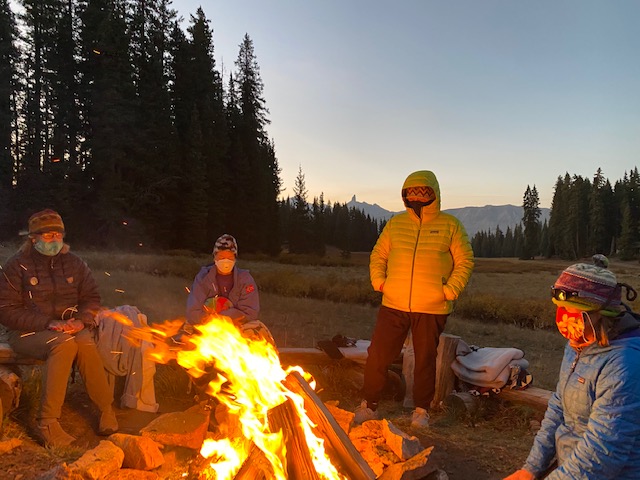
Workshopping around a fire with Pam Houston
Back in the blissfully ignorant days before my first book was published, I thought that once I saw that book in print, the next would come easily.
Silly, silly writer.
Keith McCafferty, a Bozeman writer whose Sean Stranahan mysteries prominently feature fly-fishing, shared an excellent mantra – “Each book better than the one before” — which of course only serves to make each one more difficult.
Luckily, there are a lot of resources out there to help writers get better. Until the pandemic, I usually found these at writers’ conferences such as Bouchercon, a mystery writers’ convention, and Rocky Mountain Fiction Writers’ annual Colorado Gold conference. I would return to my writing re-energized, with all sorts of new tips at my disposal.
Both those conferences went virtual this year, and I missed both, due to a pretty challenging work situation. But I found other, more manageable, and equally socially distanced events that I hope will help kick my writing up to the next level.
I took “Otherness in Fiction: Getting It Right,” a two-class workshop from Gabino Iglesias (Coyote Songs) on how to avoid embarrassing and offensive mistakes in writing about people of other and races and cultures. That’s always been supremely important, but it feels as though it’s finally getting the emphasis it deserves.
I was fortunate enough to take a long-weekend workshop from one of my favorite writers, Pam Houston (Deep Creek, Cowboys Are My Weakness) in a mountain lodge outside Telluride, Colorado, that also served as a benefit for Great Old Broads for Wilderness. It featured lots of writing exercises, along with the energy and enthusiasm that comes from hearing other writers read great work. I’d fallen into a bit of a funk, writing-wise, but have made more progress in the weeks since returning than in those that preceded it.
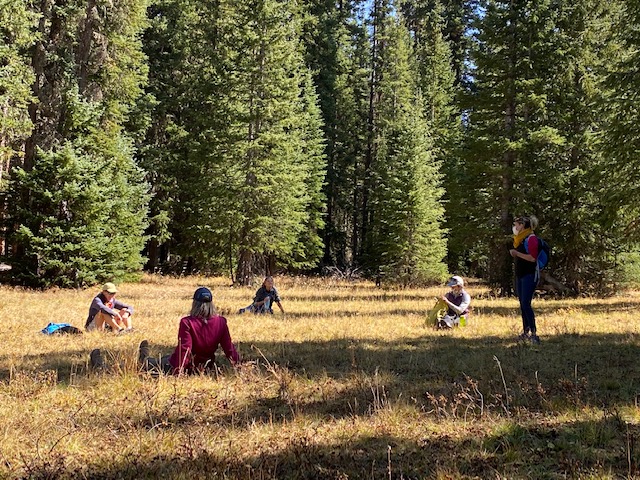
Colorado’s mountain meadows make distancing easy.
And, finally, yesterday I took a two-hour class from Sharon Mignerey (A Sacred Trust), sponsored by Rocky Mountain Fiction Writers, on “The Dreaded Synopsis.” There were nearly 40 of us on the Zoom call, so clearly I’m not alone in my dread. Again, I came away with helpful information that I’m eager to apply to my next project.
As of February, I’ll have seven books in print, and an eighth is making the rounds of publishers in hopes of finding a home. My younger, inexperienced self would have thought that by now, I’d have it all figured out. (And maybe other writers do. I just don’t know any.)
What I have figured out is that part of the joy, as well as the pain, of the writing process lies in the learning. It’s the only way to make sure the next book is better than the one before.
 His answer: Here’s the deal on Gary: he was a) a writing machine and b) incredibly generous of his time to me. He edited and re-edited and thought and re-thought Antler Dust many, many times. He would “live” with my novels for months and months and help me shape them. He’d send me emails late at night; he would call me. No writing pal was more generous or giving. He did the same for three other books that are still on my shelf – so much better for the role he played. He planted the seed for the idea for Trapline, too, by the way. I wish to hell he was here to help me with it now. I posted some sample emails
 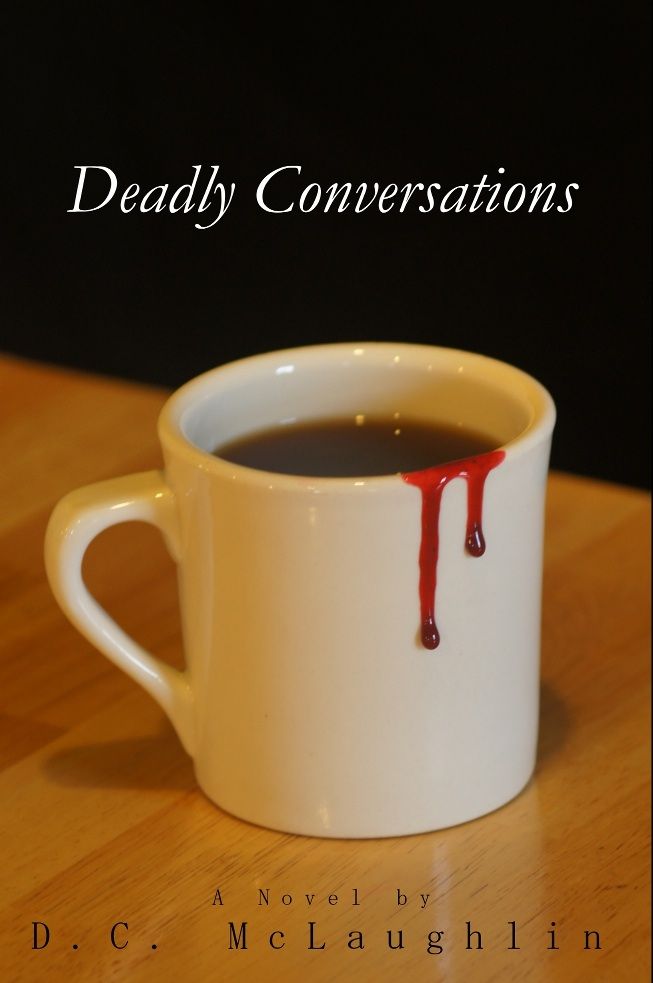 My parents have been doing quite the tap dance these last few weeks, what with both their daughters publishing first novels. My sister Kathleen, who writes as D.C. McLaughlin, recently came out with her vampire novel,
 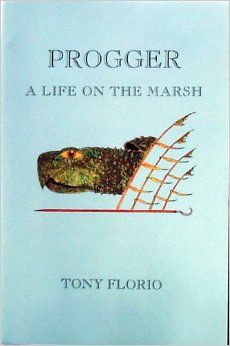 In a way, Kathleen and I didn’t have much choice about becoming writers. We grew up surrounded by books and writers. My dad, Tony Florio, wrote and illustrated
  One of my favorites was a slush pile panel featuring literary agents
 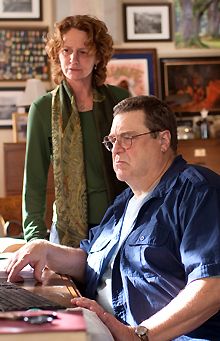 But I’ve finally gotten around to
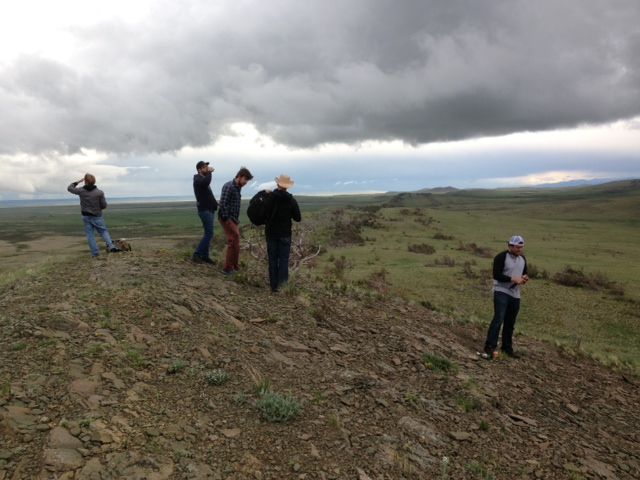 It’s the brainchild of journalists