

I recently had the fun of being interviewed for the Rocky Mountain Fiction Writers podcast by Mark Stevens, who writes the Allison Coil mystery series. Stevens interviewed me about Jon Krakauer’s new book, Missoula: Rape and the Justice System in a College Town, and also on my own writing process. For my purposes, though, the podcast really gets rolling when Mark talks with Jim Heskett, author of The Whistleblower Trilogy (and whose website describes him as “author, podcaster, charlatan.”)
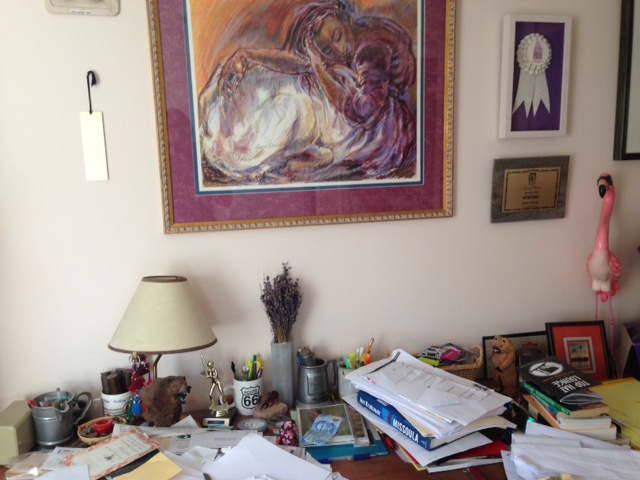
My scary desk
Part of that interview focuses on the differences between “pantsers” – writers who work by the seat of their pants – and “plotters,” the more rational among us, who write from a detailed outline. Anyone who’s ever seen my desk (well, you can’t actually see the desk because its surface is buried in stacks of Important Stuff) would correctly tag me as a pantser. A part of me envies plotters – how wonderful to face the blank page, knowing what belongs. Prevailing wisdom suggests that many writers who start out as pantsers eventually go over to the dark side, which is how I think of plotting.
So imagine my glee in hearing Heskett, whose portion starts at about 27 minutes in, describe himself as a plotter gradually turning pantser.
At about 33 minutes, Stevens asks him about “this new world of seat of the pants writing”:
“At once, it’s more fun and a lot more tortuous,” Heskett says. “I mean, it’s more fun because I don’t know where the story’s going to go and sometimes I come up with stuff that surprises me. … Sometimes it’s also incredibly tortuous when I don’t know where the story should go next.”
I found further affirmation in Heskett’s description of his first draft as “essentially like a very, very, very long outline.” That’s my process, too, although I didn’t have a term for it. It’s reassuring to hear that I’m not alone in the hot mess of the first draft process.
Check out that podcast, and the others on the Rocky Mountain Fiction Fiction Writers website. As always when listening to writers talking about writing, there’s much terrific and useful information.

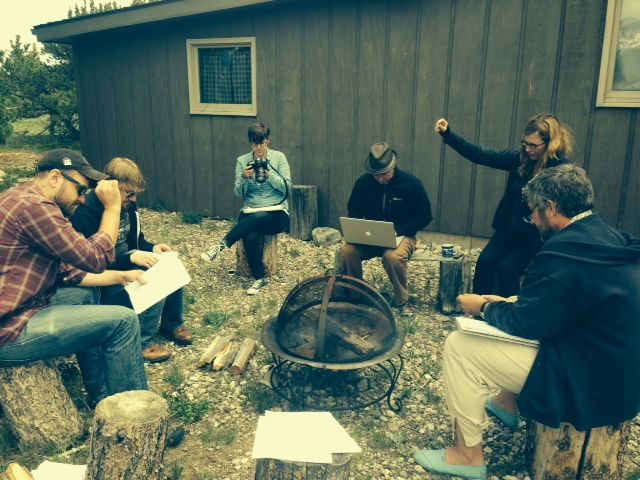
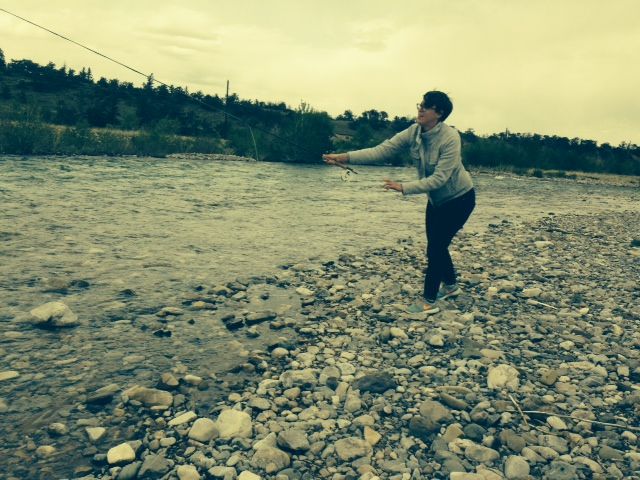 All of us have backgrounds in journalism, although two of us now write fiction, too. But by the nature of the group, most of the work is nonfiction. We submit pieces in progress, about 6,000 words, ahead of time and spend the weekend critiquing them. Oh, and there’s some power eating and drinking and—this being Montana—hiking and fishing, too.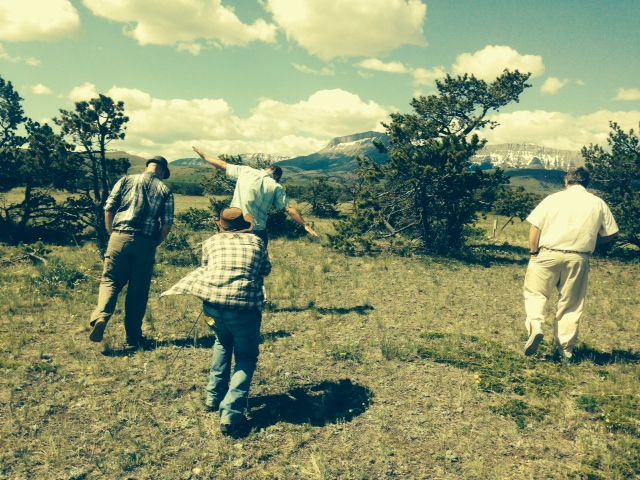
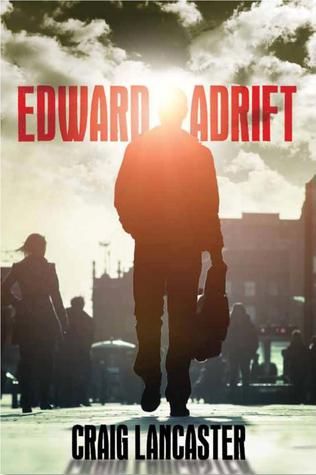 The novel, Edward Adrift, is Billings, Mont., writer
 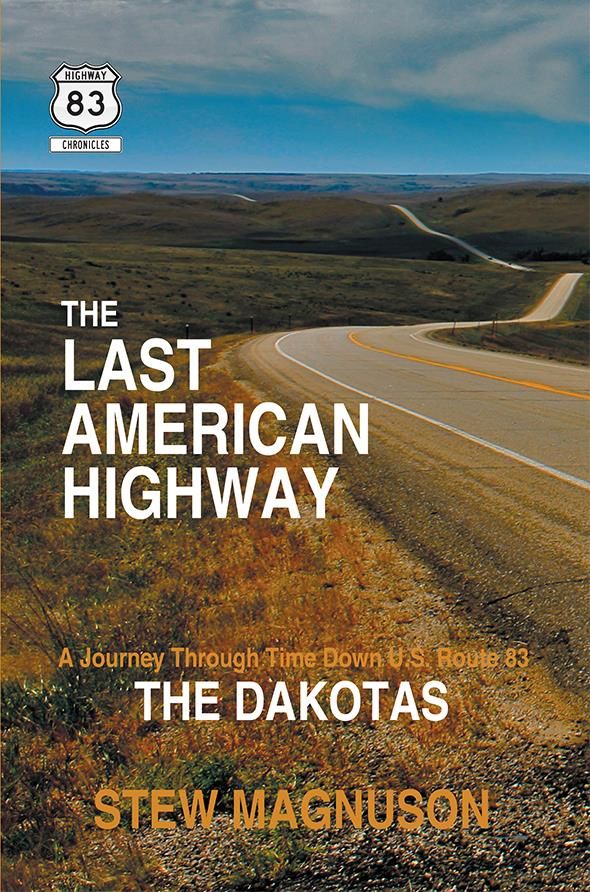 In The Last American Highway: A Journey Through Time Down U.S. Route 83,
  These weren’t “the publishing industry is dying and nobody can make a living writing books anymore” sort of stories that seem to pop up every couple of days. Besides, even in the best of times, not many folks made a living writing.
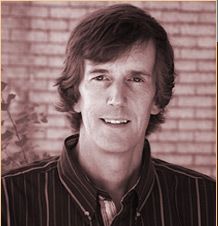 His answer: Here’s the deal on Gary: he was a) a writing machine and b) incredibly generous of his time to me. He edited and re-edited and thought and re-thought Antler Dust many, many times. He would “live” with my novels for months and months and help me shape them. He’d send me emails late at night; he would call me. No writing pal was more generous or giving. He did the same for three other books that are still on my shelf – so much better for the role he played. He planted the seed for the idea for Trapline, too, by the way. I wish to hell he was here to help me with it now. I posted some sample emails
 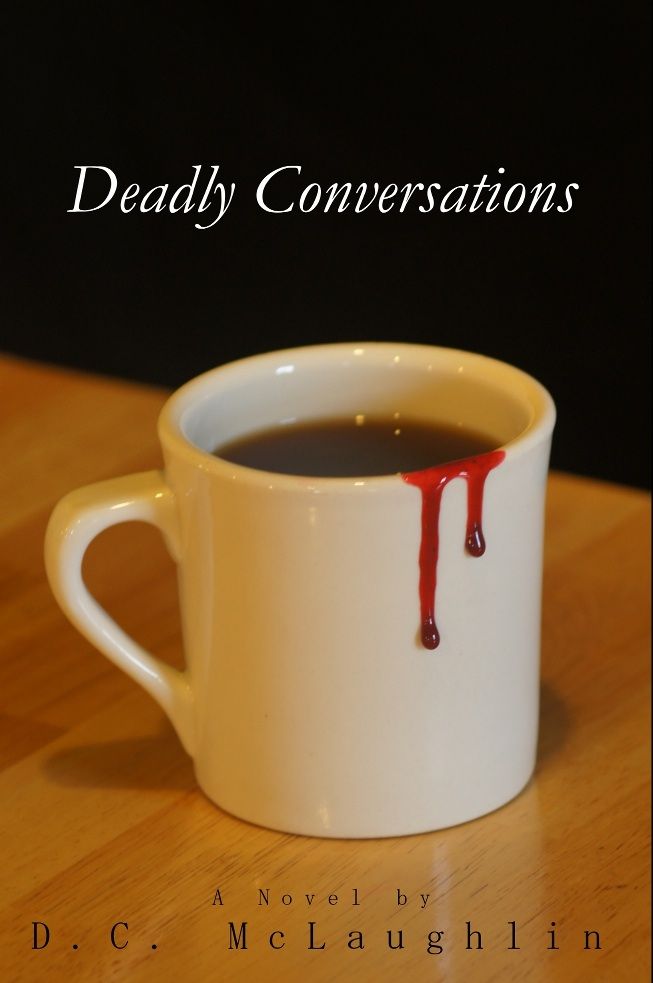 My parents have been doing quite the tap dance these last few weeks, what with both their daughters publishing first novels. My sister Kathleen, who writes as D.C. McLaughlin, recently came out with her vampire novel,
 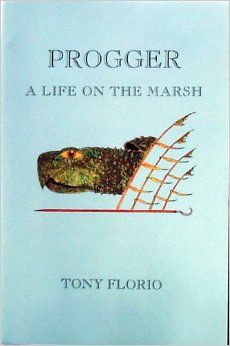 In a way, Kathleen and I didn’t have much choice about becoming writers. We grew up surrounded by books and writers. My dad, Tony Florio, wrote and illustrated
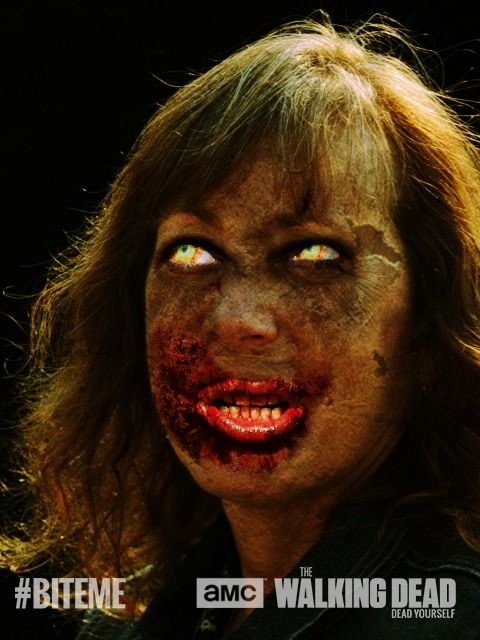 Well, hell. Right now I’d settle for plain old boring vanilla sex. Because when it comes to the work in progress, I am smack in the middle of the Gobi, without even the false hope of a mirage. Every time I look at the WIP, I feel like this zombified photo of myself that my whackjob—I mean darling—daughter sent me. I’m not blocked—not a big believer in